Global Equity Markets and Macroeconomic Resilience: Navigating Concentration Risks and Evolving Inflation Pressures
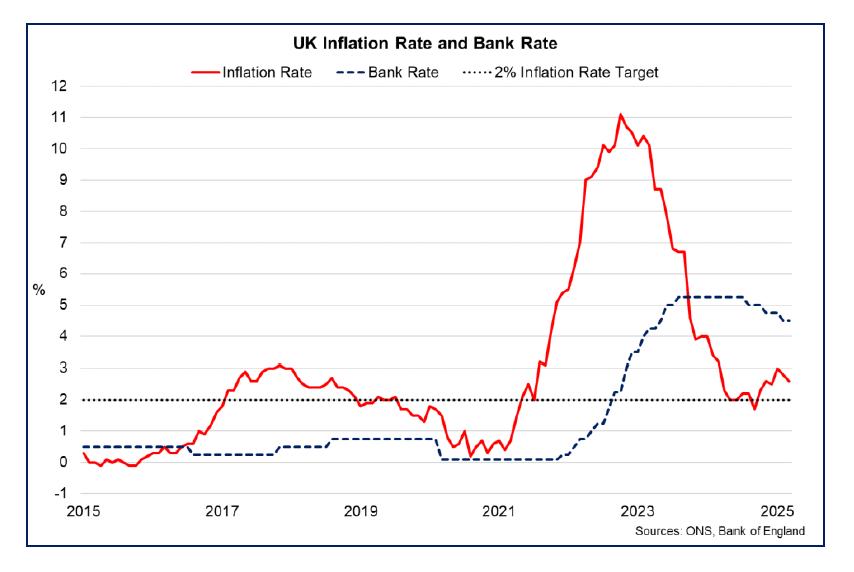
Global financial equity markets throughout 2026 have displayed notable resilience, supported by solid corporate earnings growth and robust capital investment trends driven primarily by the business and industrial sectors. Unlike previous years where consumer spending and services formed the core engine of economic expansion, business capital expenditures have taken center stage. However, this growth remains unevenly distributed across international regions and highly concentrated among a select group of mega-cap corporations tied heavily to the artificial intelligence innovation cycle, high-performance semiconductors, and digital platform infrastructure. This high market concentration leaves broader equity indices sensitive to sector-specific corrections and macro-level policy shifts. Simultaneously, global financial markets continue to navigate persistent inflation pressures and shifting central bank monetary policies. Fluctuations in key commodity pricing, particularly energy sectors such as oil and natural gas, have kept headline inflation metrics volatile across major developed economies. Central banks, including the U.S. Federal Reserve and the European Central Bank, have maintained cautious stances, keeping interest rates elevated to curb lingering price spikes. These elevated interest rates have introduced significant volatility into global bond markets, pushing government bond yields—such as 10-year U.S. Treasuries—to multi-year highs. Fixed-income investors face a complex balancing act as sovereign debt levels remain elevated across developed nations, compelling governments to pay higher borrowing costs. Looking forward, market strategists emphasize that while corporate balance sheets remain strong, investors must remain vigilant regarding geopolitical tensions, supply chain fragmentation, and potential inflationary shocks that could disrupt global asset returns. Portfolio diversification, rigorous fundamental analysis, and monitoring capital expenditure cycles will be crucial for institutional and retail investors seeking to navigate the structural regime changes defining the global financial landscape in late 2026.
Read full report →