LAWYERSNEW.COMGlobal facts · data · rankings · analysisNovember 05, 2026
FACTPULSEGLOBAL FACTS & DATA
THE WORLD IN NUMBERS
Independent reporting for curious minds
Topic atlas / six lenses

Find your
angle.

Choose a lens to see how the archive connects markets, technology, the environment and public life. Every report is filed under exactly one desk.

Global Equity Markets and Macroeconomic Resilience: Navigating Concentration Risks and Evolving Inflation Pressures
Economy
Fact 1 · Global Financial Markets & Macroeconomic Review

Global Equity Markets and Macroeconomic Resilience: Navigating Concentration Risks and Evolving Inflation Pressures

Global financial equity markets throughout 2026 have displayed notable resilience, supported by solid corporate earnings growth and robust capital investment trends driven primarily by the business and industrial sectors. Unlike previous years where consumer spending and services formed the core engine of economic expansion, business capital expenditures have taken center stage. However, this growth remains unevenly distributed across international regions and highly concentrated among a select group of mega-cap corporations tied heavily to the artificial intelligence innovation cycle, high-performance semiconductors, and digital platform infrastructure. This high market concentration leaves broader equity indices sensitive to sector-specific corrections and macro-level policy shifts. Simultaneously, global financial markets continue to navigate persistent inflation pressures and shifting central bank monetary policies. Fluctuations in key commodity pricing, particularly energy sectors such as oil and natural gas, have kept headline inflation metrics volatile across major developed economies. Central banks, including the U.S. Federal Reserve and the European Central Bank, have maintained cautious stances, keeping interest rates elevated to curb lingering price spikes. These elevated interest rates have introduced significant volatility into global bond markets, pushing government bond yields—such as 10-year U.S. Treasuries—to multi-year highs. Fixed-income investors face a complex balancing act as sovereign debt levels remain elevated across developed nations, compelling governments to pay higher borrowing costs. Looking forward, market strategists emphasize that while corporate balance sheets remain strong, investors must remain vigilant regarding geopolitical tensions, supply chain fragmentation, and potential inflationary shocks that could disrupt global asset returns. Portfolio diversification, rigorous fundamental analysis, and monitoring capital expenditure cycles will be crucial for institutional and retail investors seeking to navigate the structural regime changes defining the global financial landscape in late 2026.

Read full report →


Global Economic Growth and Sovereign Debt Trends: Insights from the Latest International Monetary Fund Outlook
Economy
Fact 2 · International Monetary Fund & Global Economy Journal

Global Economic Growth and Sovereign Debt Trends: Insights from the Latest International Monetary Fund Outlook

The global economy in late 2026 exhibits a complex pattern of moderate expansion coupled with structural vulnerabilities, according to the latest macroeconomic reports from the International Monetary Fund (IMF) and the Organisation for Economic Co-operation and Development (OECD). Global Gross Domestic Product (GDP) growth is projected to moderate to approximately 3.1 percent, reflecting tighter financial conditions, lingering geopolitical trade frictions, and fiscal consolidation measures implemented by major governments. While catastrophic recessionary forecasts have largely been avoided, growth remains sluggish compared to pre-pandemic historical averages, underscoring an uneven global recovery. Inflation dynamics continue to vary significantly across geographic regions. While headline inflation has shown signs of gradual moderation in North America, energy market volatility and imported resource costs have kept price pressures elevated across parts of Europe. Conversely, major emerging economies like China experience unique pricing dynamics characterized by soft domestic consumption, property sector adjustments, and low core consumer price inflation. Concurrently, global labor markets display gradual stabilization, with unemployment rates settling into stable bands even as nominal wage growth cools relative to the aggressive spikes seen in prior years. A critical focal point for global economists is the rapid accumulation of sovereign debt. Following years of pandemic-era stimulus and subsequent high interest rate environments, national debt-to-GDP ratios have reached historical highs across both advanced and developing nations. Governments face the difficult task of servicing expensive national debt while funding structural transitions such as green energy adoption and digital infrastructure. Policymakers are under mounting pressure to enact structural fiscal reforms that enhance productivity, foster international trade cooperation, and safeguard long-term economic stability without stifling fragile growth momentum.

Read full report →
Artificial Intelligence and Semiconductor Innovation: Transforming Enterprise Workflows and Silicon Architecture
Technology
Fact 3 · Global Technology Review & AI Innovation Hub

Artificial Intelligence and Semiconductor Innovation: Transforming Enterprise Workflows and Silicon Architecture

The technology and artificial intelligence sectors continue to serve as the primary engine of global innovation and corporate earnings growth. The paradigm has shifted decisively from speculative large language model experimentation to deep enterprise integration. Organizations across finance, healthcare, logistics, and manufacturing are embedding autonomous AI agents, Retrieval-Augmented Generation (RAG) knowledge architectures, and specialized multi-modal systems directly into their core digital operations. This widespread adoption has forced a complete rethinking of enterprise software architecture, prioritizing real-time data security, low-latency execution, and scalable cloud infrastructure. Underpinning this software revolution is an unprecedented boom in semiconductor engineering and microchip manufacturing. Advanced foundries are pushing the boundaries of physical physics by scaling production to 3-nanometer and sub-3nm nodes utilizing Gate-All-Around Field-Effect Transistors (GAAFET) and Extreme Ultraviolet (EUV) lithography systems. Furthermore, the explosion of high-performance computing demands has accelerated the adoption of advanced packaging technologies, such as 2.5D and 3D chiplet stacking combined with High-Bandwidth Memory (HBM), which bypasses traditional memory bottlenecks to deliver unprecedented processing speeds for AI training and inference workloads. Despite these monumental technical achievements, the tech industry faces growing scrutiny regarding energy consumption, data privacy regulations, and ethical AI deployment. Data centers powering modern AI models require vast electrical grid capacities, prompting major technology corporations to invest heavily in renewable energy procurement and next-generation nuclear power solutions. As regulatory bodies worldwide establish comprehensive AI governance frameworks, tech leaders must balance rapid algorithmic innovation with transparency, accountability, and robust cybersecurity compliance.

Read full report →
International Relations and Global Trade Dynamics: Supply Chain Realignment and Economic Diplomacy
Economy
Fact 4 · Global Affairs & International Relations Journal

International Relations and Global Trade Dynamics: Supply Chain Realignment and Economic Diplomacy

The geopolitical landscape of late 2026 is characterized by continuous strategic realignments, complex economic diplomacy, and the restructuring of critical global supply chains. Nations and multinational corporations are actively prioritizing supply chain resilience over pure cost-efficiency, accelerating trends such as near-shoring, friend-shoring, and industrial self-reliance. This structural transformation affects key sectors including semiconductors, critical minerals, automotive manufacturing, and green energy technology, altering traditional international trade routes and bilateral agreements. Multilateral institutions and global economic forums emphasize the growing importance of cooperative frameworks to address shared transnational challenges, including international debt restructuring for developing nations, cybersecurity standards, and cross-border data governance. Trade policy has become deeply intertwined with national security considerations, leading to targeted tariffs, export controls on dual-use technologies, and strategic subsidies designed to secure domestic manufacturing capacities. These policy shifts introduce both friction and opportunity for global commerce, compelling businesses to adopt agile sourcing strategies and diversified operational footprints. Furthermore, diplomatic efforts are increasingly focused on mitigating the economic impacts of regional conflicts and maritime trade route bottlenecks. Ensuring the unhindered flow of energy commodities, agricultural goods, and manufactured products remains paramount for stabilizing global price levels. As nations navigate this era of fractured globalization, maintaining open channels of economic communication and adhering to rules-based international trade frameworks will be essential for fostering sustainable global prosperity and mitigating systemic geopolitical risks.

Read full report →
Global Demographics, Aging Societies, and Workforce Evolution: Strategic Demographic Shifts
Society
Fact 5 · Global Demographics & Societal Trends Institute

Global Demographics, Aging Societies, and Workforce Evolution: Strategic Demographic Shifts

Demographic trends across the globe are undergoing profound and irreversible transformations, reshaping national labor markets, social welfare systems, consumer demand patterns, and urban planning strategies. Many advanced industrial economies, alongside several major emerging nations, face accelerated population aging and declining birth rates. This demographic contraction results in shrinking domestic workforces, placing immense fiscal pressure on public pension programs, healthcare infrastructure, and eldercare services. Conversely, other regions, particularly parts of South Asia and Sub-Saharan Africa, experience youthful population bulges, presenting unique opportunities for global talent mobility and economic dynamism. To counter labor shortages driven by aging populations, enterprises and governments are accelerating investments in automation, robotics, and artificial intelligence-driven productivity tools. Additionally, national immigration policies are increasingly being evaluated through the lens of economic pragmatism, with countries actively competing to attract skilled global professionals, engineers, and healthcare workers. Urban centers are adapting to shifting demographic needs by redesigning public infrastructure, promoting accessible housing, and expanding digital health services tailored to senior citizens. These demographic shifts also exert a powerful influence on global consumer markets. Brands are recalibrating product offerings to cater to an aging demographic with high disposable income and specific health, wellness, and leisure preferences, while simultaneously designing digital-first experiences for younger, tech-savvy generations. Understanding these long-term demographic trajectories is crucial for economists, policymakers, and corporate strategists seeking to build resilient organizations capable of thriving in a demographically diverse future world.

Read full report →
Climate Change Statistics and Environmental Science: Tracking Global Temperatures and Ecosystem Shifts
Environment
Fact 6 · Environmental Science & Climate Research Review

Climate Change Statistics and Environmental Science: Tracking Global Temperatures and Ecosystem Shifts

Environmental science reports and climate monitoring agencies continue to document critical climatic shifts across the globe, emphasizing the urgent need for coordinated ecological action and data-driven sustainability strategies. Continuous scientific measurement confirms that global average temperatures continue to hover near record highs, driven by accumulated greenhouse gas emissions. These thermal anomalies manifest in increased frequencies of extreme weather events, including prolonged droughts, intense precipitation patterns, and marine heatwaves that disrupt delicate aquatic ecosystems. In response to these environmental challenges, global scientific communities and meteorological institutions leverage advanced satellite observation networks, oceanic sensor arrays, and climate modeling supercomputers to track ecological changes with unprecedented accuracy. Data from these monitoring systems guide international climate accords and corporate net-zero transition targets. The global transition toward renewable energy generation—led by massive expansions in solar photovoltaic capacity, wind turbine installations, and grid-scale battery storage—has accelerated significantly, supported by falling technology costs and supportive public policies. Beyond energy transition, scientific research increasingly focuses on ecosystem restoration, biodiversity preservation, and carbon dioxide removal technologies. Protecting critical natural carbon sinks, such as tropical rainforests, peatlands, and oceanic kelp forests, forms a vital pillar of global mitigation strategies. By relying on rigorous empirical data provided by international scientific bodies, policymakers and corporate leaders can implement targeted interventions that balance ecological preservation with sustainable economic growth.

Read full report →
Global Business, E-Commerce Trends, and Evolving Consumer Behavior Patterns
Technology
Fact 7 · Global Business & Consumer Market Review

Global Business, E-Commerce Trends, and Evolving Consumer Behavior Patterns

The global retail and commercial landscape is experiencing dynamic transformations driven by shifting consumer behavior, digital commerce innovations, and omnichannel retail strategies. Modern consumers increasingly demand seamless, personalized, and frictionless shopping experiences across both digital platforms and physical storefronts. E-commerce platforms leverage advanced machine learning recommendation engines, augmented reality product previews, and instant payment gateways to optimize conversion rates and enhance buyer satisfaction. Supply chain transparency and brand authenticity have emerged as critical drivers of consumer loyalty. Contemporary shoppers, particularly younger demographics, place high value on ethical sourcing, sustainable packaging, corporate social responsibility, and carbon-neutral shipping options. Consequently, global retail brands are aggressively auditing their supply chains, adopting blockchain-based traceability solutions, and transitioning toward circular economy business models that minimize waste and maximize resource recovery. Furthermore, economic pressures stemming from inflation and living cost adjustments have influenced consumer spending habits, leading to heightened price consciousness, a preference for value-oriented private-label goods, and careful evaluation of discretionary expenditures. Retailers respond by deploying sophisticated data analytics to optimize dynamic pricing, manage inventory efficiently, and implement targeted loyalty programs. This comprehensive analysis explores enterprise revenue trends, retail market share shifts, and the technological innovations shaping the future of global commerce.

Read full report →
Global Health Statistics, Longevity Trends, and Public Health Surveillance Innovations
Health
Fact 8 · World Health Organization & Global Health Journal

Global Health Statistics, Longevity Trends, and Public Health Surveillance Innovations

Global public health landscapes are continuously evolving, shaped by breakthroughs in medical research, digital health monitoring, lifestyle epidemiology, and cooperative disease surveillance networks. Comprehensive health statistics indicate that while global average life expectancy has steadily increased over recent decades, significant disparities persist across different geographic regions and socioeconomic strata. Public health institutions and international health organizations focus heavily on bridging these gaps through targeted healthcare interventions, vaccination initiatives, and maternal-child health programs. Preventative medicine and lifestyle health research have gained immense prominence, with large-scale scientific studies examining the profound impacts of nutrition, restorative sleep, physical activity, and chronic stress management on long-term health outcomes. The integration of wearable health technology and digital biomarkers allows individuals to monitor physiological metrics in real time, shifting clinical paradigms from reactive treatment to proactive preventative care. Furthermore, artificial intelligence applications in medicine—such as early diagnostic imaging analysis, genomic sequencing interpretation, and rapid pharmaceutical drug discovery—are revolutionizing clinical workflows. Infectious disease surveillance and biosecurity have also been modernized through global data-sharing networks, enabling rapid response capabilities against emerging epidemiological threats, particularly across vulnerable regions like West Africa. By combining robust epidemiological data with advanced biotechnology and equitable healthcare access, global health leaders strive to enhance worldwide quality-of-life rankings and build resilient public health systems capable of withstanding future crises.

Read full report →
Global Foreign Exchange Markets, Currency Fluctuations, and Central Bank Reserve Management
Economy
Fact 9 · Global Forex Markets & Central Banking Review

Global Foreign Exchange Markets, Currency Fluctuations, and Central Bank Reserve Management

Foreign exchange (Forex) markets represent the largest and most liquid financial markets in the world, facilitating trillions of dollars in daily cross-border transactions, international trade settlements, and capital investments. Currency valuations reflect complex macroeconomic fundamentals, including interest rate differentials, inflation rates, geopolitical stability, and market sentiment toward sovereign economies. Throughout 2026, foreign exchange markets have experienced notable volatility driven by divergent monetary policy trajectories among major central banks, fluctuating commodity prices, and shifting capital flows toward safe-haven assets. Central banks and monetary authorities manage foreign exchange reserves meticulously to safeguard economic stability, defend domestic currencies against disorderly market panics, and ensure uninterrupted international trade. The U.S. dollar continues to maintain its dominant status as the world's primary reserve currency, although discussions surrounding currency diversification and alternative bilateral trade settlement mechanisms have gained traction among emerging market economies. Tracking real-time exchange rate fluctuations, Purchasing Power Parity (PPP) metrics, and trade-weighted currency indices provides essential insights into global economic competitiveness and cross-border capital allocation trends. Furthermore, institutional investors and multinational corporations utilize sophisticated hedging strategies—such as forward contracts, currency options, and swap agreements—to mitigate foreign exchange risk inherent in global operations. Understanding currency dynamics is crucial for investors navigating international equity markets, commodity pricing, and sovereign debt instruments. This comprehensive market overview examines foreign exchange volume trends, macroeconomic drivers of currency valuation, and central bank reserve management strategies shaping global finance.

Read full report →
Global Energy Commodities: Crude Oil, Natural Gas, and Precious Metals Market Dynamics
Economy
Fact 10 · Global Energy Commodities & Precious Metals Journal

Global Energy Commodities: Crude Oil, Natural Gas, and Precious Metals Market Dynamics

Energy commodities and precious metals serve as the fundamental lifeblood of the global industrial economy, directly influencing manufacturing costs, transportation expenses, inflation expectations, and geopolitical strategies. Crude oil and refined petroleum products remain essential for global mobility and petrochemical production, while natural gas powers residential heating, electricity generation, and heavy industrial processing. Concurrently, precious metals such as gold and silver act as premier safe-haven assets and crucial industrial components across electronics, green energy technologies, and medical devices. Market pricing for crude oil and natural gas is driven by a delicate equilibrium between global supply capacities, geopolitical developments, inventory levels, and shifting demand patterns across major industrial consumers like the United States, China, and the European Union. Production quotas managed by international energy coalitions, alongside investments in domestic shale extraction and renewable energy transitions, continuously reshape commodity supply chains. Meanwhile, precious metals experience significant price sensitivity tied to real interest rates, currency valuations, and institutional hedging against macroeconomic uncertainty and inflationary pressures. As global markets navigate structural energy transitions and industrial electrification, commodity trading desks monitor supply elasticity and inventory buffers closely. Evaluating production statistics, reserve data, and macroeconomic demand indicators offers vital clarity for businesses and investors seeking to manage commodity price exposure. This comprehensive analysis reviews global energy benchmarks, precious metal market trends, and the macroeconomic factors influencing international resource valuation.

Read full report →
Cryptocurrency and Digital Asset Markets: Adoption Metrics, Regulatory Frameworks, and Blockchain Infrastructure
Economy
Fact 11 · Digital Asset Markets & Blockchain Intelligence Review

Cryptocurrency and Digital Asset Markets: Adoption Metrics, Regulatory Frameworks, and Blockchain Infrastructure

Digital asset markets and cryptocurrency networks have matured into an established asset class within the broader global financial ecosystem, characterized by institutional participation, decentralized finance (DeFi) protocols, and evolving regulatory compliance frameworks. While historical market cycles were driven primarily by retail speculation, contemporary digital asset adoption is increasingly anchored in tokenized real-world assets, institutional-grade custody solutions, and scalable Layer-2 blockchain scaling architectures that drastically reduce transaction fees and processing latency. Regulatory authorities across major global jurisdictions continue to establish comprehensive legal frameworks governing cryptocurrency exchanges, stablecoin reserves, and tax reporting standards. These regulatory developments aim to protect retail investors, prevent illicit financial activities, and ensure systemic financial stability while fostering legitimate financial technology innovation. Simultaneously, central banks globally continue research and pilot testing for Central Bank Digital Currencies (CBDCs), exploring sovereign digital payment rails designed to modernize national settlement systems and enhance monetary policy transmission mechanisms. From a technical perspective, blockchain infrastructure development focuses heavily on interoperability protocols, cross-chain security, and energy-efficient consensus mechanisms. Institutional investors analyze digital assets through the lenses of portfolio diversification, inflation hedging, and decentralized network utility. This comprehensive review examines cryptocurrency market capitalization trends, on-chain transaction metrics, regulatory compliance updates, and the technological evolution of decentralized digital finance.

Read full report →
Global Inflation Tracking and Central Bank Interest Rate Policies: A Comparative Macroeconomic Analysis
Economy
Fact 12 · Global Macroeconomics & Central Bank Policy Review

Global Inflation Tracking and Central Bank Interest Rate Policies: A Comparative Macroeconomic Analysis

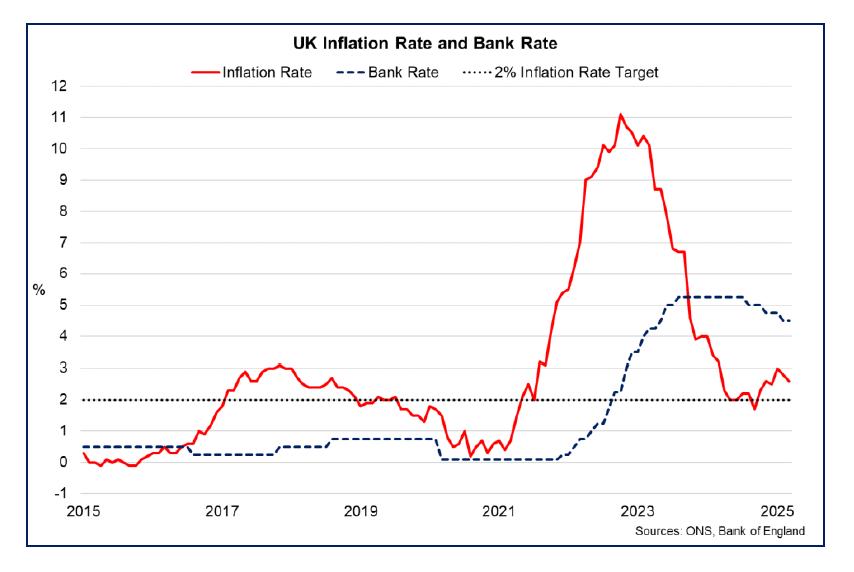
Inflation dynamics and central bank monetary policy decisions remain the central focal point for global financial markets, economists, and government policymakers. Following years of post-pandemic price surges and aggressive interest rate tightening cycles, global inflation has exhibited a bumpy path toward target central bank bands of approximately two percent. Discrepancies persist across regions, with services inflation proving stickier than goods inflation due to resilient wage growth and robust consumer demand in specific service sectors. Central banks—including the U.S. Federal Reserve, the European Central Bank, the Bank of England, and the Bank of Japan—navigate delicate policy balancing acts. Policymakers must calibrate interest rates to suppress lingering price pressures without triggering sharp economic slowdowns or destabilizing commercial real estate and sovereign debt markets. Forward guidance statements, quantitative tightening programs, and core consumer price index (CPI) reports are scrutinized meticulously by bond traders and equity investors seeking clues regarding future borrowing costs and liquidity conditions. Comparative macroeconomic analysis indicates that emerging market central banks often face distinct challenges, including capital flight risks and imported inflation pressures driven by currency fluctuations against the U.S. dollar. Understanding interest rate trajectories and inflation drivers is essential for evaluating fixed-income yields, corporate debt refinancing costs, and broader economic stability. This comprehensive report reviews international inflation statistics, central bank interest rate decisions, and macroeconomic forecasting models.

Read full report →